
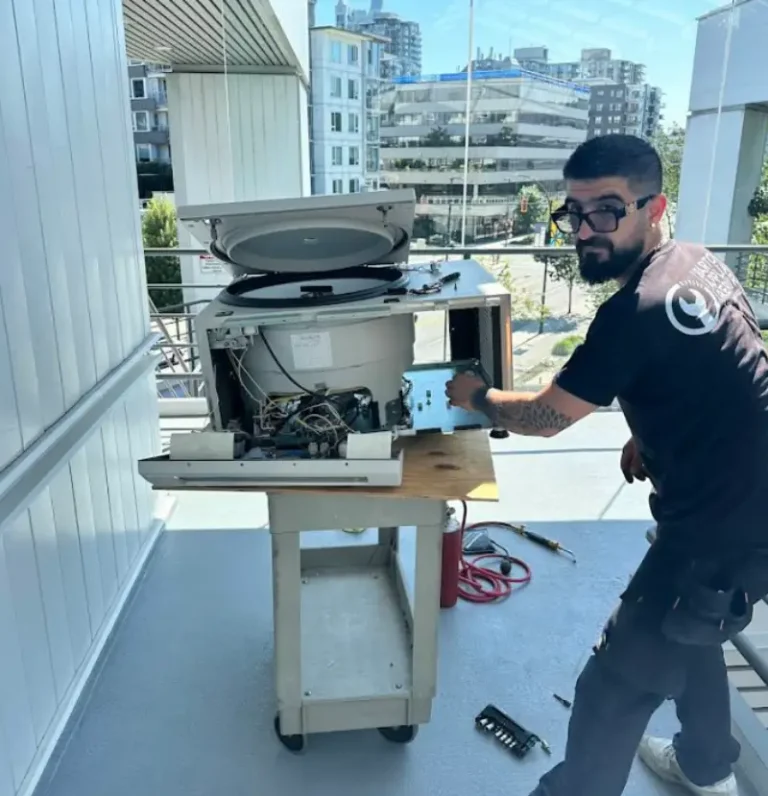
Home appliances are easy to take for granted, until one stops working. Your refrigerator, washing machine, dryer, dishwasher, oven, and other appliances perform essential tasks every day, often with little attention beyond turning them on and off.
Regular maintenance changes that. Simple preventive care can help appliances operate efficiently, identify developing problems earlier, and potentially reduce the likelihood of unexpected breakdowns. While maintenance cannot prevent every failure, it can help you get more reliable performance and a longer useful life from the appliances you depend on.
1. Small Problems Are Easier to Address
One of the biggest benefits of routine maintenance is catching problems before they become major failures. A strange noise, small leak, unusual smell, inconsistent temperature, or change in performance can indicate that a component is beginning to wear out. If you ignore the issue, continued use may put additional strain on other parts.
For example, a worn washer component can cause excessive vibration, while a restricted dryer vent can reduce drying performance and cause excessive heat. Addressing these warning signs early can make the eventual repair more straightforward.
Regular inspections give you an opportunity to notice these changes instead of waiting until the appliance stops working completely.
2. Maintenance Can Improve Appliance Efficiency
Appliances generally perform best when their filters, vents, coils, seals, and other accessible components are clean and functioning properly. When an appliance has to work harder than necessary, it may take longer to complete its job and consume more energy.
Consider a refrigerator with heavily contaminated condenser coils. Poor heat dissipation can make the refrigerator work harder to maintain the desired internal temperature. Similarly, a dryer with a restricted exhaust system may require longer cycles to dry clothes.
Keeping appliances clean and maintaining their recommended components can help them operate closer to their intended performance.
3. Clean Filters Make a Difference
Filters are among the simplest appliance components to maintain, but they are also easy to overlook. Depending on the appliance, filters may collect lint, dust, grease, food particles, or other debris. As buildup increases, airflow or water flow can become restricted.
For example:
- Dryers: Clean the lint filter after every load.
- Dishwashers: Check and clean the filter regularly to prevent food debris from interfering with drainage and cleaning.
- Range hoods: Clean grease filters according to the manufacturer’s recommendations.
- HVAC-related appliances: Replace or clean filters at the intervals specified by the manufacturer.
Always follow the instructions for your particular model, since maintenance requirements vary between appliances.
4. Proper Maintenance Helps Protect Moving Parts
Appliances contain numerous components that move, rotate, pump, heat, or switch on and off repeatedly. Belts, motors, bearings, pumps, rollers, fans, seals, and other parts naturally experience wear. Keeping the appliance clean and using it correctly can reduce unnecessary strain on these components.
It is also important not to overload appliances. An overloaded washing machine can place additional stress on the motor, suspension, and drum. Similarly, overloading a dryer can restrict tumbling and increase drying time.
Following recommended load capacities is a simple maintenance habit that can help support reliable operation.
5. Maintenance Can Extend an Appliance’s Useful Life
Replacing an appliance can be a significant household expense. While every appliance eventually reaches the end of its service life, proper care can help you get more value from the equipment you already own. Think of maintenance as protecting an investment.
Cleaning, inspecting, and servicing an appliance when needed may help reduce premature wear. It can also provide an opportunity to replace relatively inexpensive worn components before they contribute to more extensive damage.
The exact lifespan of an appliance depends on its model, usage, installation, environment, and maintenance history, so there is no guaranteed number of years that preventive care will add.
6. Preventive Care Can Reduce Unexpected Breakdowns
A sudden appliance failure is more disruptive than a planned maintenance visit.
If a refrigerator stops cooling, food may be at risk. A failed washing machine can leave you with a pile of laundry and potentially a water leak. A broken oven can interfere with meal preparation, while a malfunctioning dryer can make everyday laundry much more time-consuming.
Routine maintenance can help identify developing problems before they result in an inconvenient breakdown. It doesn’t mean every failure can be predicted, but it gives you a better chance of dealing with issues on your own schedule rather than during an emergency.
7. Check Door Seals and Gaskets
Seals and gaskets are small components that play an important role in several appliances. A damaged refrigerator door gasket can allow cold air to escape. A worn dishwasher door seal may allow water to leak. A damaged washing machine door gasket can also contribute to water escaping during a cycle.
During routine cleaning, inspect seals for cracks, tears, deformation, or excessive buildup. Cleaning them according to the manufacturer’s instructions can help maintain a proper seal. If a gasket is damaged, replacing it sooner rather than later can help prevent additional problems.
8. Don’t Ignore Unusual Sounds or Smells
Your appliances often provide warning signs before a component fails. Pay attention to changes such as:
- New buzzing or grinding noises
- Repeated clicking
- Excessive vibration
- Burning or electrical smells
- Water pooling around the appliance
- Unusual heating
- Cycles taking significantly longer
- An appliance switching off unexpectedly
These symptoms don’t necessarily indicate a serious failure, but they deserve attention. If cleaning, leveling, or another basic maintenance step doesn’t resolve the issue, professional appliance repair can help determine what is actually causing the symptom.
9. Follow the Manufacturer’s Maintenance Recommendations
Different appliances require different maintenance schedules. Rather than relying on a generic timetable, consult the owner’s manual for your specific model. The manufacturer’s instructions may explain how often to clean filters, inspect components, run cleaning cycles, descale the appliance, or perform other maintenance tasks.
Keep the manual accessible, and if you no longer have a physical copy, look for the model-specific documentation through the manufacturer’s official resources. Using the right procedures also matters. An incorrect cleaning product, improper replacement part, or unsuitable maintenance technique can potentially damage the appliance.
10. Know When DIY Maintenance Isn’t Enough
Routine maintenance is not a substitute for professional service when an appliance develops a mechanical, electrical, heating, cooling, or water-related problem.
Simple tasks such as cleaning filters, checking accessible hoses, clearing debris, and inspecting seals are often reasonable for homeowners. However, internal electrical components, gas systems, refrigerant circuits, motors, and other specialized components should be handled by qualified professionals.
If an appliance repeatedly develops the same problem, performs differently after maintenance, or shows signs of an internal fault, getting it assessed can prevent you from guessing at the cause or replacing parts unnecessarily.
Professional Appliance Service in Vancouver
For appliance repair in Vancouver, we help homeowners address problems affecting the appliances they rely on every day. We focus on identifying the underlying issue and providing practical repair solutions for a range of household appliances. Whether your appliance is showing early warning signs or has already stopped working, we can assess the problem and determine the appropriate next step. Our goal is to make appliance service straightforward while helping you restore reliable performance and keep your household running smoothly.