
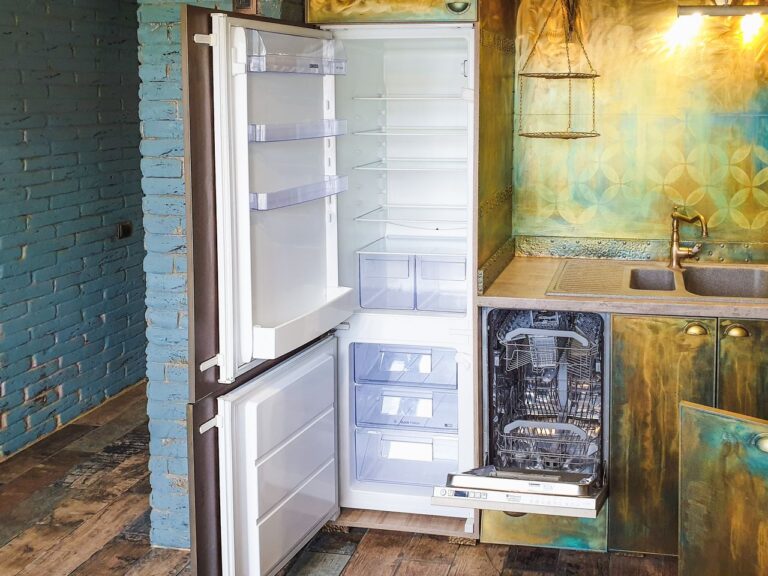
Finding water inside your refrigerator can be alarming, especially when you discover puddles under the crisper drawers, droplets on shelves, or water collecting along the bottom of the fridge compartment. While some moisture is normal inside a refrigerator, visible pooling usually means something isn’t draining, sealing, or cooling as it should.
Fortunately, many refrigerator leaks have identifiable causes. Before assuming you need professional fridge repair, there are several things you can check to narrow down the problem.
1. The Defrost Drain May Be Clogged
One of the most common reasons for water accumulating inside a refrigerator is a blocked defrost drain.
Modern refrigerators periodically run automatic defrost cycles. During this process, frost and ice melt from the evaporator area, and the resulting water is directed through a drain into a pan underneath or behind the appliance. Normally, this water evaporates.
If food particles, ice, or other debris block the drain, the water cannot flow away properly. It may instead collect inside the refrigerator compartment or freeze around the drain opening.
What to do
Look for the defrost drain, usually located toward the back of the refrigerator compartment or beneath the evaporator area, depending on the model.
If you can see ice or debris around the drain, follow your manufacturer’s instructions for clearing it. Avoid using sharp objects to chip away ice because you could damage internal components or tubing.
If the drain repeatedly freezes or becomes blocked again after cleaning, there may be an underlying issue that requires professional diagnosis.
2. The Refrigerator Isn’t Level
A refrigerator that isn’t positioned correctly can sometimes have trouble allowing water to flow toward the appropriate drain.
Refrigerators aren’t always designed to sit perfectly level from front to back. Some models require a slight tilt toward the rear so that doors close properly and water moves through the drainage system as intended.
What to do
Check your owner’s manual for the correct leveling requirements for your model. If the appliance is noticeably uneven, adjust the leveling feet according to the manufacturer’s instructions.
Don’t try to move a heavy refrigerator by yourself if doing so could cause injury or damage to the flooring.
3. The Defrost Drain Pan Could Be Damaged
Water from the defrost system eventually reaches a drain pan. If that pan is cracked, displaced, or damaged, water may escape instead of evaporating normally. Depending on the refrigerator design, the drain pan may be underneath the appliance or accessible from the rear.
What to do
If you can safely access the pan, look for cracks, excessive water, or signs that it has shifted out of position. A damaged pan generally needs to be replaced with the correct part for your refrigerator model.
If accessing the pan requires moving or dismantling the appliance, professional service is the safer choice.
4. A Blocked Ice Maker or Water Dispenser Line
If your refrigerator has an ice maker or water dispenser, the leak may originate from the water supply system rather than the cooling compartment itself.
A loose connection, cracked tubing, damaged inlet valve, or improperly installed water line can allow water to escape inside the refrigerator. You may notice water around the ice maker, beneath the water filter, or along the back wall.
What to do
Inspect accessible water connections for obvious leaks. If your refrigerator has a water filter, make sure it is installed correctly according to the manufacturer’s instructions. If you find a damaged water line or persistent leak, shut off the refrigerator’s water supply if you can do so safely and arrange for professional assistance.
5. The Water Filter May Not Be Installed Correctly
A refrigerator water filter that isn’t properly seated can sometimes allow water to leak. This can happen after replacing the filter, particularly if the replacement isn’t the correct model or hasn’t been locked into place properly.
What to do
Remove and reinstall the filter according to your refrigerator’s instructions. Check that it is the correct filter and that its housing is free of visible damage. If water continues to leak after correct installation, the filter housing or another part of the water system may need inspection.
6. The Door Gasket May Be Damaged
The rubber gasket around the refrigerator door creates a seal that helps keep warm air outside and cold air inside. If the gasket is cracked, torn, loose, or heavily contaminated, warm air can enter the refrigerator.
That warm air contains moisture, which can lead to increased condensation and water accumulation inside the compartment.
What to do
Inspect the entire gasket for damage and clean it using the method recommended by the manufacturer. Make sure nothing inside the refrigerator is preventing the door from closing completely. If the gasket no longer seals properly, replacement may be necessary.
7. Food May Be Blocking the Airflow
The way you arrange food inside the refrigerator can also contribute to moisture problems.
Items pushed tightly against the back wall can obstruct vents or come into contact with areas where condensation or frost forms. This can interfere with proper airflow and result in excess moisture.
What to do
Keep food away from interior vents and avoid packing the refrigerator so tightly that air cannot circulate. Check whether containers are positioned beneath or directly against areas where water may normally drain.
This is a simple adjustment that can sometimes resolve minor moisture accumulation.
8. Excessive Frost Can Point to a Bigger Problem
If you notice significant ice buildup alongside water inside the refrigerator, don’t assume the ice itself is the only problem. Excessive frost can result from a door that isn’t sealing properly, frequent door opening, blocked airflow, faulty defrost components, or temperature-related issues.
When that frost eventually melts, it can produce more water than the drainage system can handle. If frost repeatedly accumulates despite normal use and proper door closure, the refrigerator may require professional inspection.
9. Check the Temperature Settings
Incorrect temperature settings can contribute to condensation and moisture problems. If the refrigerator compartment is too warm, condensation may increase. If temperatures fluctuate significantly, ice can form and melt repeatedly.
Use a refrigerator thermometer if you’re concerned about the actual temperature rather than relying solely on the control setting.
Your refrigerator should generally remain within the temperature range recommended by the manufacturer and applicable food-safety guidance.
What Should You Do If Water Keeps Returning?
Start by identifying where the water is coming from. Is it underneath the crisper drawers? Along the back wall? Near the water filter? Around the ice maker? Pinpointing its location can provide a useful clue.
Clean up standing water promptly to prevent damage to food, shelves, flooring, or other components. Check the door seal, food placement, drain area, and accessible water connections.
If the leak continues after these basic checks, don’t keep operating the refrigerator indefinitely while hoping it disappears. Recurring leaks can indicate a drainage, defrost, water-supply, or cooling-system problem.
When to Call a Professional
Professional service is recommended if the refrigerator continues leaking, develops heavy frost, isn’t maintaining the correct temperature, or shows signs of an internal water or electrical problem.
You should also seek help if the appliance needs to be dismantled to access the suspected component. Refrigerators contain electrical and sealed cooling systems that aren’t suitable for casual DIY work.
A qualified technician can inspect the appliance, identify the source of the leak, and determine whether a component needs cleaning, adjustment, or replacement.
Call Us for Fridge Repair in Vancouver
If you need assistance with fridge repair in Vancouver, we provide professional appliance service to help homeowners address refrigerator problems efficiently and safely. We understand how important a properly functioning refrigerator is to everyday life, particularly when a leak can put food and surrounding areas at risk. We focus on diagnosing the source of the problem and finding an appropriate solution based on your refrigerator’s condition and symptoms. Whether you’re dealing with water inside the fridge, cooling problems, unusual noises, or another issue, we’re here to help restore reliable refrigerator performance.